My high school physics and science curriculum at TPT, Pearson Education, Arbor Scientific, and PhET
Sunday, September 1, 2019
Skepticism
Sunday, August 11, 2019
Cosmos: A Personal Voyage
PBS · 1980 · Presenter: Carl Sagan
Cosmos: A Personal Voyage is a thirteen-part television series that covers a wide range of scientific subjects, including the origin of life and a perspective of our place in the universe.
I turned 16 while this series aired, and was completely captivated by it. My father had been a fan of Bronowski's Ascent of Man and Burke's Connections. Those were outstanding series in their own rights. But I was all about astronomy, and Sagan's journey resonated with me.
Sagan's Cosmos aged very well and is still regarded as among the best science miniseries ever produced. And as WIRED noted, Sagan's still right all these years later.
The way I used Cosmos was as a "chill day" between units in Physics. For my students, and for me. We all needed it. I kept their question sets after each episode. At the end of the year, I'd give them their sets back and they could use them on a "Cosmos Unit Test". Easy with the completed question sets; challenging without. Definitely among my longest "delayed gratification" activities.
Cosmos: A Personal Voyage on Teachers Pay Teachers
E P I S O D E SCarl Sagan opens the program with a description of the cosmos and a "Ship of the Imagination" (shaped like a dandelion seed). The ship journeys through the universe's hundred billion galaxies, the Local Group, the Andromeda Galaxy, the Milky Way, the Orion Nebula, our Solar System, and finally the planet Earth. Eratosthenes' successful calculation of the circumference of Earth leads to a description of the ancient Library of Alexandria. Finally, the "Ages of Science" are described, before pulling back to the full span of the Cosmic Calendar. Note: the revised version of the series adds an introduction by Ann Druyan to this episode, recorded after Sagan's death, in which she discusses some of the changes that occurred in the years after its broadcast.This episode emphasizes astronomy: from the universe to the round Earth.
Sunday, March 31, 2019
Physics: Modern Physics
Sunday, March 24, 2019
Physics: Electricity and Magnetism
P R O G R A M S
Sunday, March 17, 2019
Physics: Waves and Light
P R O G R A M S
This one is encyclopedic. An overview is followed by descriptions of radio, microwaves, infrared, visible, ultraviolet, x-rays, and gamma rays.
Sunday, March 10, 2019
Physics: Heat and Temperature
Sunday, March 3, 2019
Physics: Mechanics
Monday, January 14, 2019
YouTube Physics
Sunday, September 2, 2018
The Mechanical Universe: High School Adaptations
Thursday, October 1, 2015
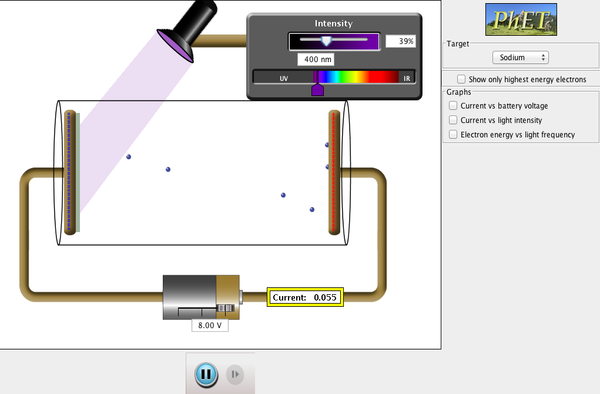
Simulating the Atom and Nucleus [undergoing transformations]
Tuesday, September 1, 2015
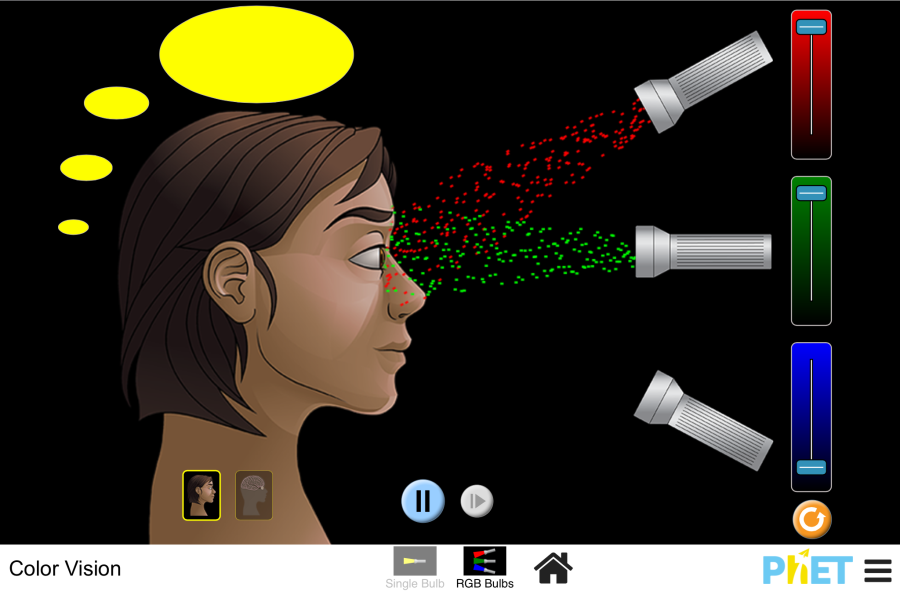
Simulating Light and Optics [undergoing transformations]
Saturday, August 1, 2015
Simulating Waves and Sound [undergoing transformations]
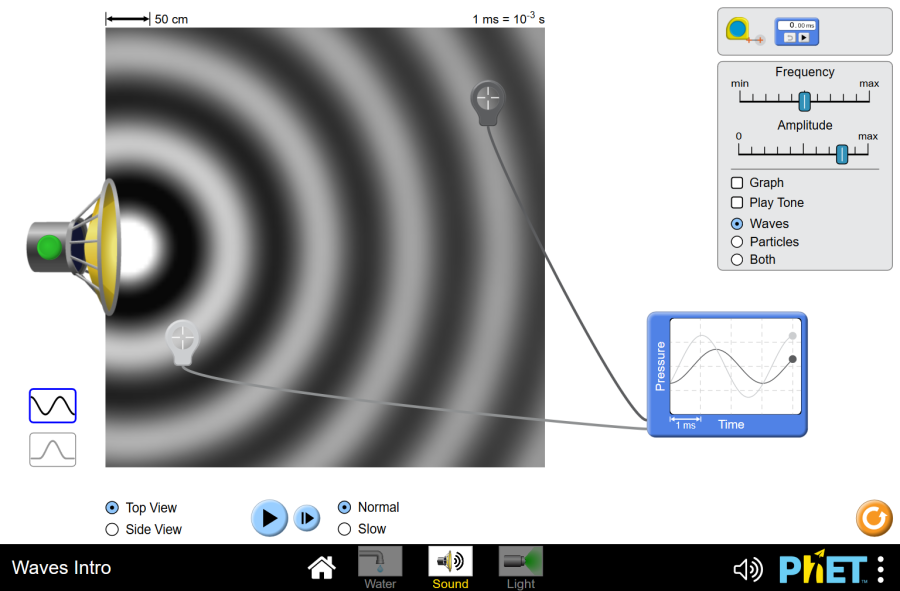
Originally developed using PhET's original Wave Interference sim, this now can now also use PhET's Waves Intro sim. I use this as a classroom activity. At certain points during the period, I will interrupt the students with discussions of what they've learned so far. This activity is included in the Conceptual Physics 12th edition lab manual at Pearson.
Wednesday, July 1, 2015
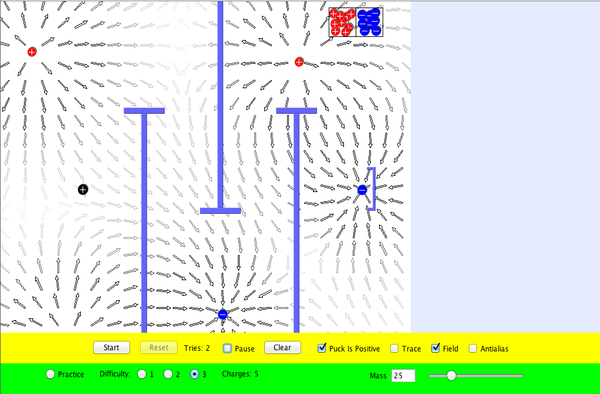
Simulating Electricity and Magnetism [undergoing transformation]
Monday, June 1, 2015
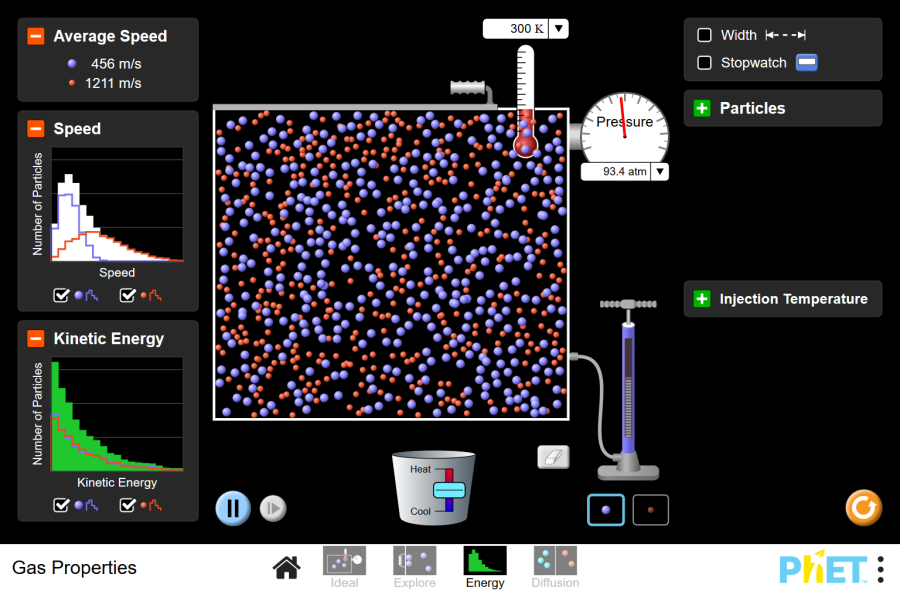
Simulating Fluids and Heat [undergoing transformations]
Wednesday, April 1, 2015
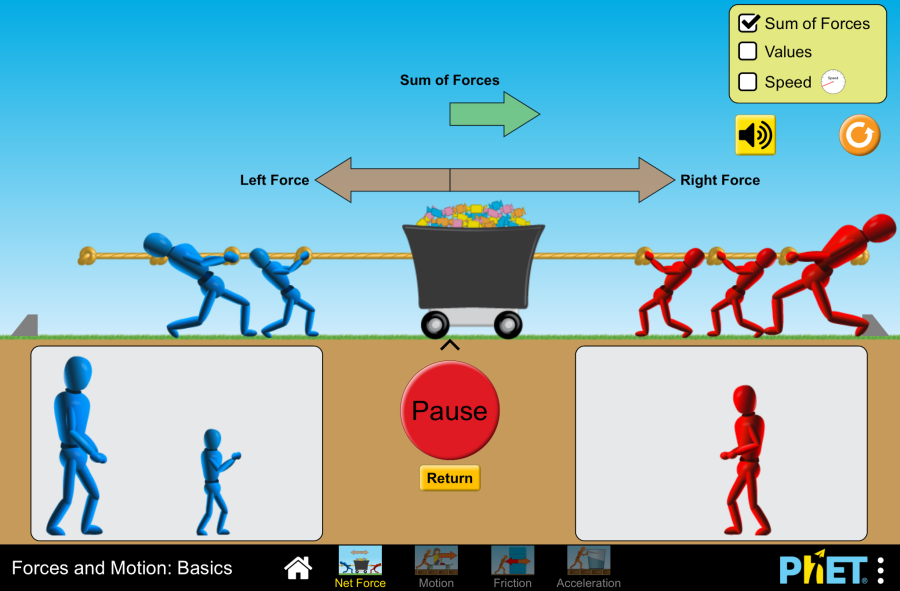
Simulating Motion and Forces [undergoing transformations]
Friday, January 1, 2010
Conceptual Physics Lab Manual
Conceptual Integrated Science Explorations
Monday, September 8, 2008
Laser Viewing Tank
One year, I initiated a school-wide fire alarm during such a demonstration. The previous summer, the custodians had been tasked with cranking up smoke detector sensitivity to 11, unbeknownst to me.